Confirmation Bias in TikTok Parenting Content
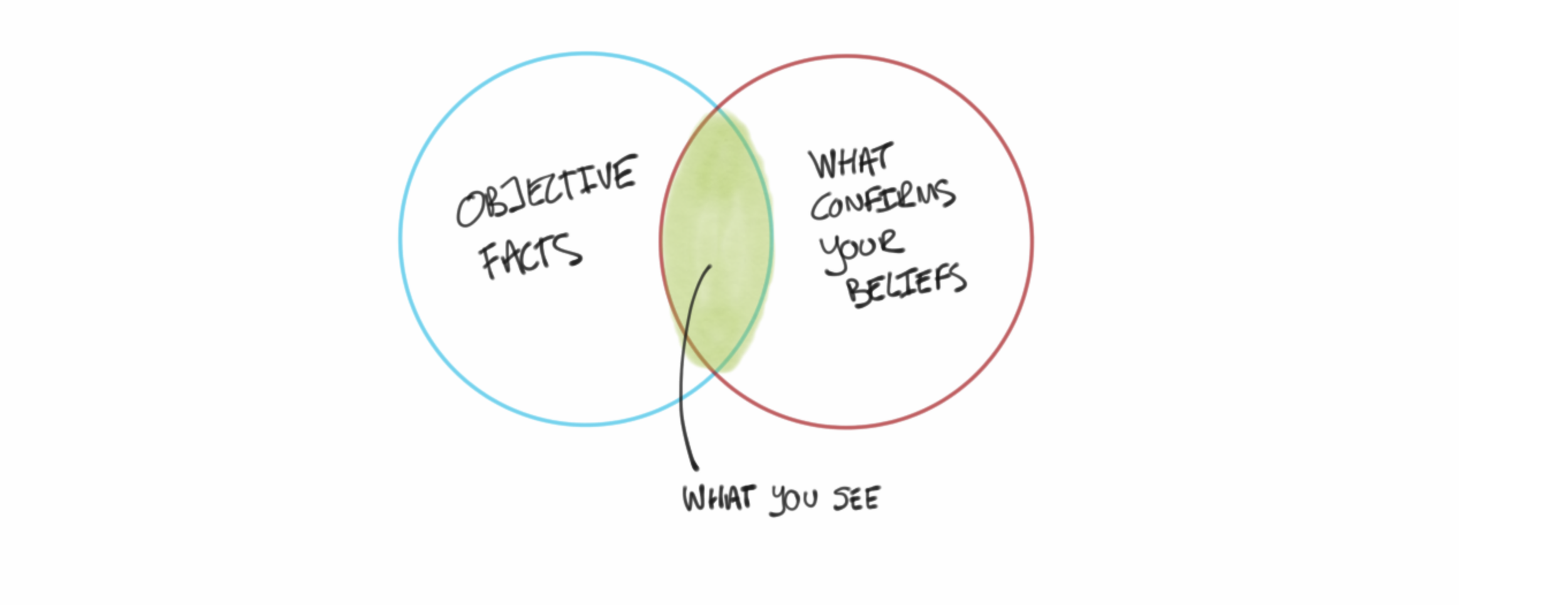
TikTok has become a place where moms turn to for quick parenting advice, especially during early toddler stages when tantrums start. In my video, I focused on how Confirmation Bias shows up in the way we interact with that content.
My target audience is young mothers ages 18–25 with toddlers who haven’t hit 2 years old yet. This is a stage where many new parents are looking for guidance, and TikTok often becomes a go to source. BSBI states that TikTok is increasingly being used as a source for information, not just entertainment, especially among younger audiences.
In my example, I showed how I already had an opinion on handling tantrums, and how that influenced what I engaged with. I was more likely to watch and like videos that matched my beliefs, while scrolling past ones that didn’t. Over time, that led to seeing the same type of advice repeatedly. Because of that, it can start to feel like that approach is the “right” way to handle tantrums. The issue is that this can actually limit what parenting advice someone is exposed to. Other strategies exist, but you may not come across them if you’re mostly interacting with one type of content.
I chose a TikTok video edited through CapCut because it reflects how this audience already consumes information. The goal was to make confirmation bias easy to recognize through a common struggle. Overall, my video shows how confirmation bias can shape the kind of parenting advice people see online and how it can limit exposure to different perspectives without them realizing it.